Showing posts with label Responsible Travel. Show all posts

Tuesday, March 31, 2026

Eating the Season: Spring Arrives in Alsace

You notice it first at the market.

Not in a dramatic way. Nothing announces itself. It almost feels like you've imagined it. But something has changed. The stalls feel lighter. The colors are different. What filled the tables all winter begins to thin out, and in its place, something more delicate starts to appear. Spring does not arrive all at once here. It comes in quietly, and if you are not paying attention, it can pass you by just as easily.

For months, everything leaned toward keeping and sustaining. Cabbage stacked high. Potatoes in every form. Onions, apples, preserved foods that carried people through the colder stretch of the year. Meals that held weight, that stayed with you.

Now, the weight begins to lift.

You arrive in mid-March already knowing what you’re waiting for.

At the market, you start looking for it without even thinking. Rhubarb. Strawberries. The first signs that things are about to change. You make your compote when they finally appear, knowing you’ll freeze some of it, trying to hold onto the season just a little longer than it allows.

And then there is the asparagus. You wait for it with a kind of impatience. Because you know how this goes. It arrives, takes over everything, and then disappears just as quickly. By the time it’s gone, everyone is a little tired of it. Ready to move on. Ready to wait a full year before wanting it again. But in that first moment, when it shows up at the market, it’s different. It brings a kind of excitement that’s hard to explain if you haven’t experienced it.

White asparagus, especially, takes over without asking. It fills market tables, appears on every menu, and brings back the same conversation each year.

How do you eat it? With hollandaise, for some. Vinaigrette, for others. Many quietly choose mayonnaise and stand by it. No one is trying to win the argument.  It is just what feels right.  And somehow, that quiet disagreement becomes part of the season itself.

Pâques and the Turn

Easter sits right in the middle of all of this.

You see it first in the bakeries. Lammeles line the windows, dusted with sugar, unchanged from one year to the next. They do not try to be anything new. They just return, right on time.

Eggs find their place back at the table. Lamb becomes the center of the meal for many families.

But more than tradition, it is the shift in atmosphere that stands out. Meals feel less heavy. More open. There is space again, on the table and in the pace of things.

Our Pâques meal always includes asparagus. It’s something I look forward to. Not just for the food itself, but for everything around it.

It’s usually our first meal outside after winter has held its grip on the region for months. Sitting at the table feels different again. Lighter. Easier. Like something has opened.

Not long after, fruit tarts and salads begin to take over. Meals shift without effort into something fresher, something that matches the longer days.

Pâques, for me, has never really been about the traditional holiday.  It marks something else. The return of sunlight,  evenings that stretch just a little longer, meals outside, and the quiet beginning of festival season. It’s the moment where everything starts to come back to life, and you realize you’re stepping into it too.

What It Feels Like to Eat This Way

There is a difference between eating something because it is always available and eating something because it has just arrived.

Here, that difference is hard to ignore.

What you see at the market changes week to week. Not dramatically, but enough that you begin to notice what is new without needing to think about it.

A plate of asparagus asks for your attention. Strawberries feel specific, not just another piece of fruit. Even the simplest ingredients carry a sense of timing.  It is not about making better choices. It is about being aware of where you are in the year.

A Different Kind of Relationship to Food

Eating this way follows the rhythm of the land instead of pushing against it.

It supports the people growing the food, the markets that depend on it, and the slower systems that still exist here. It also means less distance between where something is grown and where it is eaten. Less time spent stored, transported, or forced out of season.

And your body feels that, even if you are not thinking about it in those terms.

After months of heavier, preserved foods, the shift into something fresh and more alive is not just enjoyable. It feels natural. Like something you were always meant to return to.

But beyond all of that, it changes your relationship to food in a quieter way.  You begin to expect less constancy. To wait for things. To recognize their return.  And in doing that, you also learn to let them go.  Not everything is meant to be available all the time.

A Season That Moves On

Spring here is defined by how quickly it passes.

Strawberries disappear almost as soon as you get used to them. Asparagus has a clear end. Rhubarb gives way to what comes next.  Nothing stays as long as you want it to.

Around Pâques, you can feel the overlap. Winter has not fully left, but it no longer dominates. Spring has arrived, but it is still unfolding. For a brief moment, both exist together.  

And then, without much warning, the season moves on. Without really deciding to, you just find yourself moving with it.

Tuesday, September 9, 2025

French Festivals You’ve Never Heard Of (But Should Experience)

France is a land of celebrations. Some are world famous, like Bastille Day in Paris or the Cannes Film Festival. Yet the heart of French culture beats strongest in the smaller, regional festivals that rarely make it onto international travel itineraries. These gatherings reveal traditions that have shaped communities for centuries, and they invite you to witness France not as a tourist, but as a guest welcomed into the rhythm of local life.

Here are ten festivals across France that carry the spirit of authenticity, from village apple presses to medieval parades.

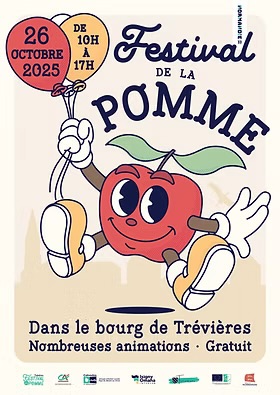
1. Trévières Apple Festival – Normandy

In the small town of Trévières, the apple harvest is celebrated each October with pressing demonstrations, cider tastings, and stalls filled with regional products. It is not a spectacle for tourists but a moment of community pride. This festival captures the essence of rural Normandy, where food, tradition, and gathering intertwine.


2. Festival Médiéval – Bouliac (Nouvelle-Aquitaine)

Bouliac’s medieval festival feels like stepping into a village from centuries past. Costumed locals, crafts, and market stalls recreate a scene that is intimate and immersive. Far from the polished tourist shows, it is a celebration that belongs to the town itself, where visitors are welcome but not the focus.


3. Fêtes de Jaufré Rudel – Blaye (Nouvelle-Aquitaine)

Blaye honors its troubadour prince, Jaufré Rudel, with medieval music, poetry, and pageantry. This is not a festival that draws crowds from across France, but rather one that belongs to the locals who keep the memory of their poet alive. It is literature, music, and history woven into the streets of a riverside town.


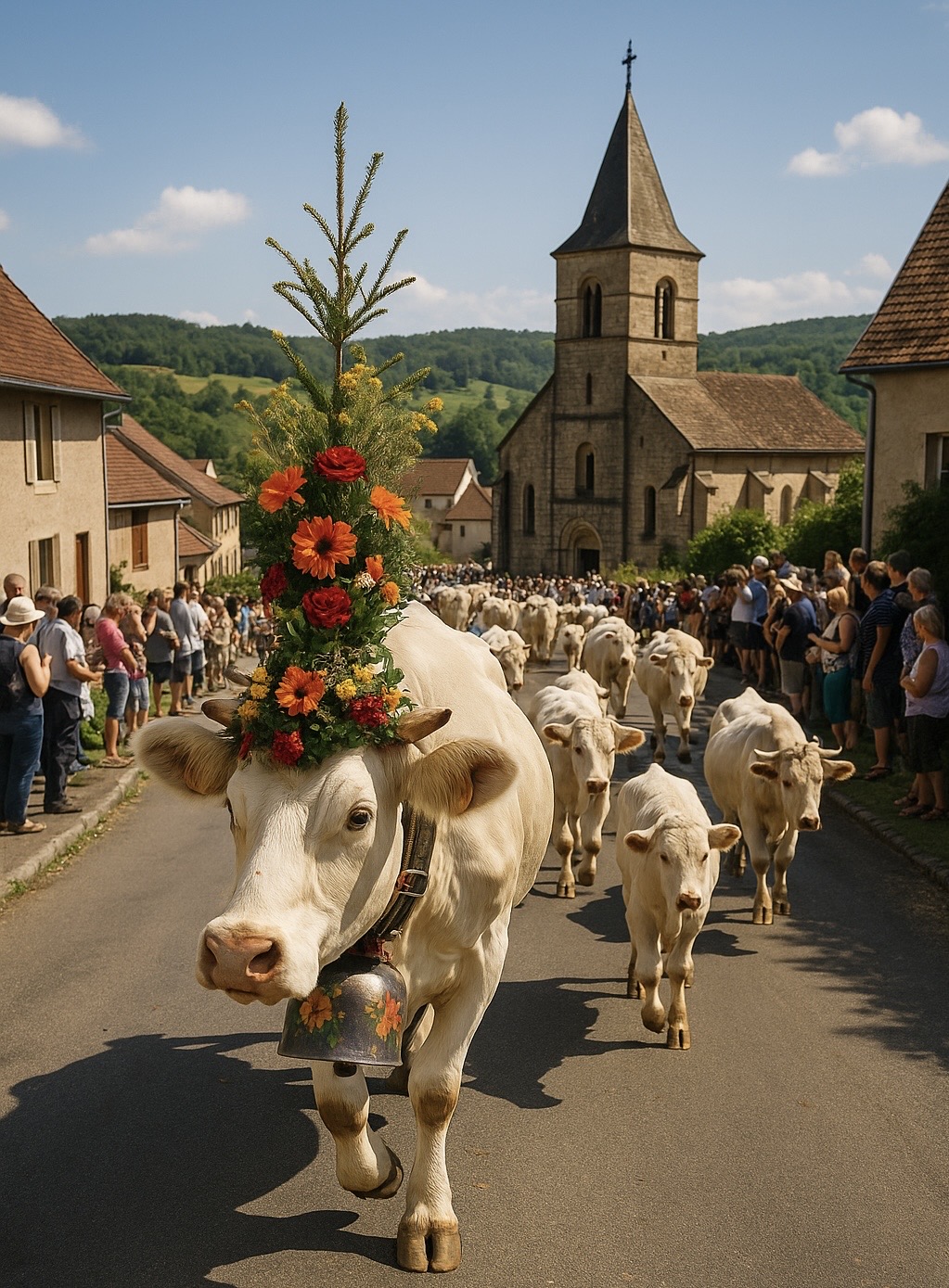
4. Transhumance Festivals – Jura Mountains (Franche-Comté)

Each spring and autumn, herds of cows decorated with bells and flowers are led through Jura villages as they move to and from their high pastures. These transhumance celebrations are as old as the mountains themselves, rooted in the cycles of land and life. They are not staged for visitors but arise naturally from rural tradition. For travelers seeking authenticity, few moments feel as timeless.


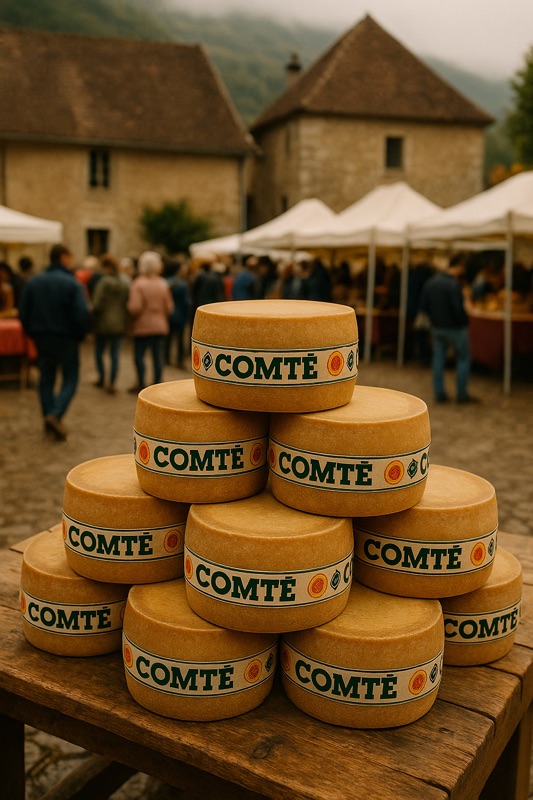
5. Fête du Comté – Poligny (Jura)

Poligny, the capital of Comté cheese, gathers producers, cheesemakers, and locals each September to celebrate this cornerstone of Jura gastronomy. While it is better known regionally, it has not yet turned into a crowded spectacle. Visitors will find themselves in the heart of a cheese-loving community proud to share their heritage.


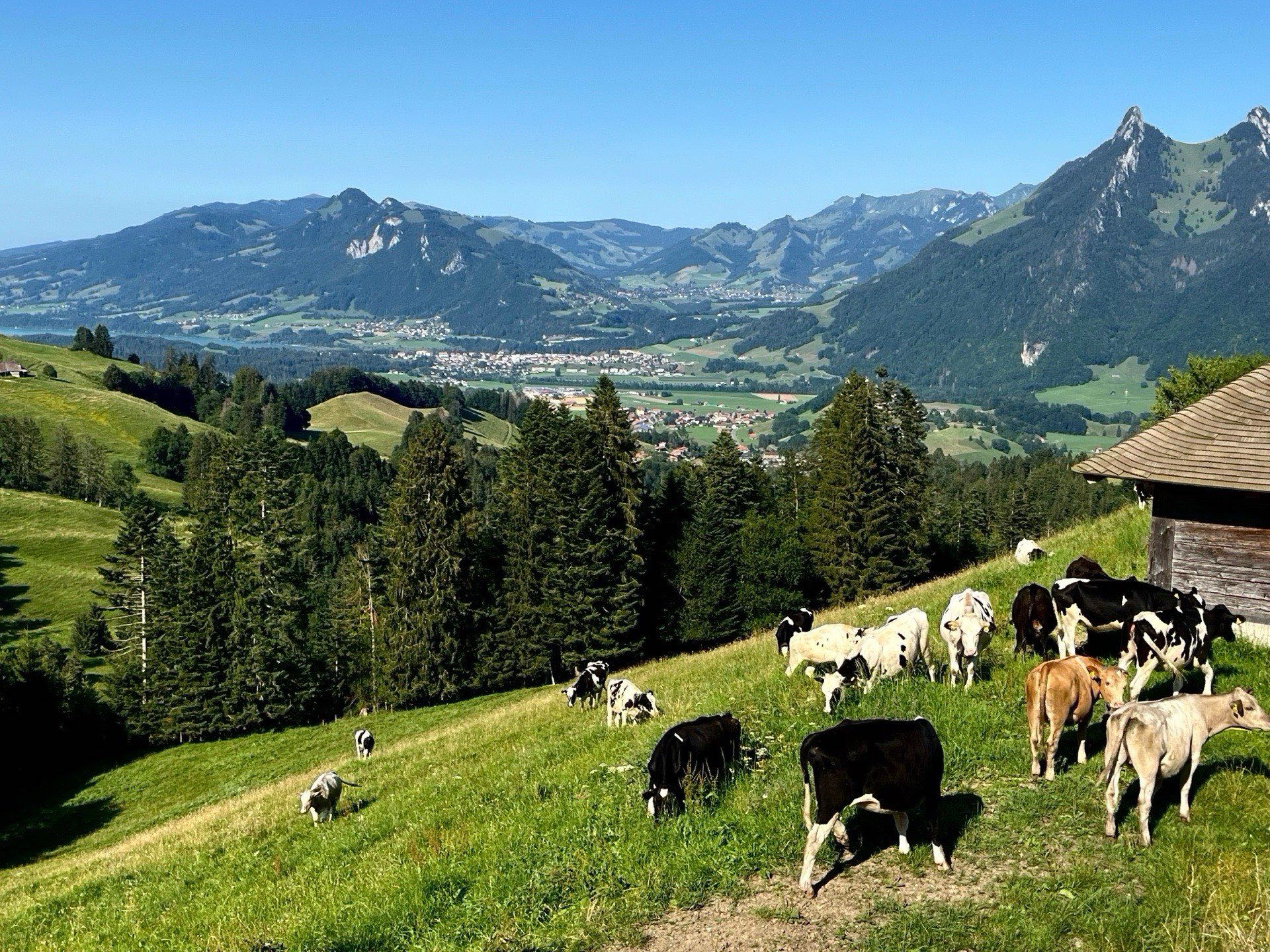
6. Fête du Fromage – Savoie (Auvergne-Rhône-Alpes)

In Savoie, cheese is more than food, it is identity. The Fête du Fromage brings producers together for tastings, competitions, and markets. This one is known among French food enthusiasts and mountain travelers, so expect larger crowds than some of the other festivals on this list. Still, it remains rooted in its alpine traditions and offers a chance to connect directly with the culture of terroir.


7. Grand Pardon – Chaumont (Haute-Marne)

I had the privilege of experiencing this one myself. The Grand Pardon in Chaumont is a centuries-old Catholic procession that honors Saint John the Baptist. It is deeply spiritual, with processions winding through the streets and locals gathering in reverence. While little known to outsiders, it holds great meaning for the community. To witness it is to glimpse the soul of France’s living faith traditions.


8. Festival des Forêts – Compiègne (Hauts-de-France)

Music drifts through the forest in Compiègne each summer during the Festival des Forêts. Concerts take place among the trees, where classical and contemporary works meet the silence of nature. It is not a large festival, and it is better known within French cultural circles than among international travelers. For those who seek a blend of art, nature, and reflection, it offers something quietly profound.

9. Pfifferdaj – Ribeauvillé (Alsace)

The oldest medieval festival in Alsace, dating back to 1390, Pfifferdaj transforms Ribeauvillé into a living tableau of history. Thousands gather to see pipers, costumed performers, and parades. This one is well known across Alsace and draws significant crowds, but it remains tied to the region’s medieval heritage rather than commercial tourism. It is worth experiencing at least once for the way it connects modern Alsatians to their past.


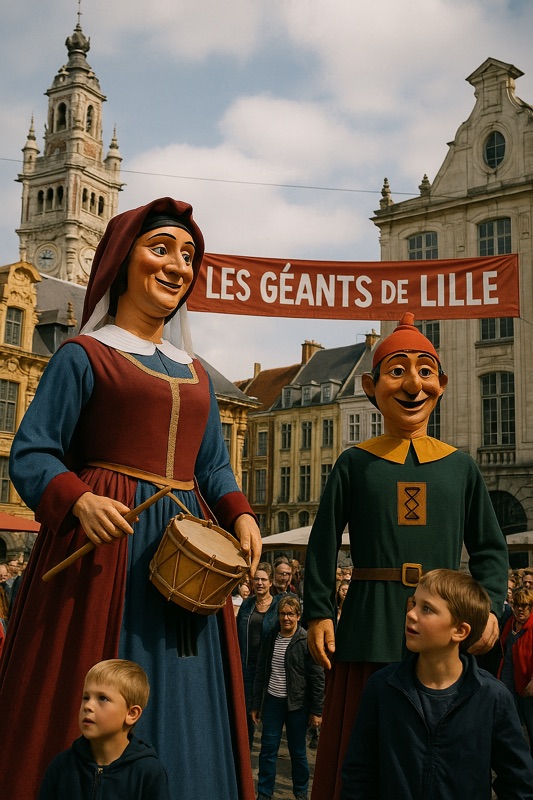
10. Les Géants – Lille (Hauts-de-France)

Towering papier-mâché giants parade through the streets of Lille, a tradition recognized by UNESCO as intangible cultural heritage. This festival is famous in northern France and increasingly recognized beyond, but it is still very much a celebration by and for the people of Lille. The giants tell stories of community, folklore, and memory, and to see them march is to feel the weight of history carried with joy.


France does not reveal itself only through its monuments or museums. It reveals itself in these festivals, where community, tradition, and joy gather in streets, fields, and forests. Some are tiny, known only to villagers, while others have grown into regional spectacles. Together they offer a map to the authentic heart of France.

For those who wish to travel deeply and meaningfully, following these festivals is a way to join in the living culture of a nation that celebrates not just its past, but its enduring spirit.

Sunday, August 17, 2025

Fondremand: A Memory Sealed in Stone


I didn’t expect to remember Fondremand.

It was only meant to be the first stop, a small village on the way to somewhere bigger and more important. I was a student on my very first study abroad trip, groggy from the flight and too jet-lagged to hold much expectation. But the moment we arrived, something shifted.

It wasn’t loud. It wasn’t dramatic. It was just… old. The kind of old I had never touched before. The kind that sinks into the ground and doesn’t need to announce itself.

I had never seen a castle in person. Never stood near Roman ruins. Never walked through a place made entirely of stone, where centuries whispered from every wall. The houses, the lavoir, the way the water slipped quietly through the village—it felt like I was standing in a place that had been lived in for hundreds of years, maybe longer. I remember wondering who had passed through before me. What their lives were like. If they were tired too, and if the calmness of this place had wrapped around them the way it suddenly wrapped around me.

What surprised me most was how intact it all was. In the U.S., things rarely last. We build for function, not for memory. But in Fondremand, the buildings stood not only as relics, but as living parts of daily life. Doors still opened, chairs were still being set out for lunch, and the stone walls still held warmth from the sun. It was quiet, yes—but not abandoned. 

The village itself barely made a sound. Just the trickle of water moving through the creek, soft birdsong, the occasional thud of wooden shutters, and the scrape of a chair dragged onto a terrace as someone prepared the only café that seemed to exist. My feet brushed against loose stones as I walked, the sound grounding me even more than the view. No one rushed. No one filled the silence.

The colors were muted, almost shy, until you reached the grassy areas by the creek where green burst through the gray. Near the water, moss clung thick and slick along the base of the stone ramparts. I remember the sensation of age—not as decay, but as texture. As presence.

There isn’t a castle in Fondremand, not really. Not the kind with battlements and flags and fairy tale endings. But somehow, walking through the narrow lanes and overgrown stones, it felt like I had stepped inside ancient castle grounds. The kind of place where hooves once echoed in the courtyard and gossip slipped between the stones.

And maybe it was the jet lag, or just my overly caffeinated imagination, but I had this vivid moment where my mind wandered to Monty Python and the Holy Grail. I pictured the British on one side of the ramparts, the French on the other, shouting nonsense and launching cows over the wall. I had to stop myself from laughing out loud. It was absurd. And somehow perfect.

Because that’s what Fondremand did to me. It cracked me open. Gave me silence, yes, but also space to be fully there. To wonder. To daydream. To fall into history and absurdity all at once.

I hadn’t expected anything from Fondremand. I never knew it existed. In fact, I hadn’t even known we were going there. I was just along for the ride, following the flow of whatever came next. And maybe that’s why it hit me so deeply. I didn’t have time to brace for wonder. It just arrived, and I happened to be paying attention.

If Fondremand challenged me in any way, it was in what it did after. I went back home and looked at life differently. The rows of identical houses, the monotony of beige suburbs, the way everything in the States felt temporary or disposable—I noticed it all. And I mourned something I hadn’t even realized I’d found.

Because Fondremand had shown me something lasting. Something that had endured, not because of its fame or function, but because it had never stopped being real. It wasn’t preserved for tourists. It was simply lived in—weathered, mossy, crumbling, alive.

I never lived there. I never stayed the night. I didn’t even know the name of the woman who opened her shutters while I passed by. But something happened in that village. And for all its silence, it’s never stopped echoing in me.

Fondremand wasn’t a destination. It was a beginning.

A quiet corner of the world that cracked open my curiosity and offered me my first glimpse of time layered into place. I didn’t capture it in perfect photos. I didn’t even know to look for it. But it found me anyway, through stone and water and birdsong.
More than a decade later, I still carry Fondremand with me. It didn’t try to impress. There were no grand gestures, no curated charm. It simply offered what it had always been—still, weathered, and quietly alive. And maybe that’s why I’d bring people there now. Not to check something off a list, but to offer them that same deep breath of history, quiet, and wonder. A reminder that the moments that shape us don’t always ask permission. They arrive gently, almost unnoticed, and stay long after.


Thursday, May 8, 2025

Not Just Politics: The Quiet Grief of an American Abroad

A Seat at the Table: Bearing Witness at the European Parliament

I wasn’t expecting to feel so much.

It was supposed to be a simple afternoon—an exciting one, no doubt, but still, just a glimpse into the workings of the European Parliament. As someone with a background in political science and a life steeped in travel, being granted access to a live debate session felt like the kind of moment you note quietly in your memory, file under “professional wins,” and carry on.

But then I sat down and listened.

The session was focused on retaliatory tariffs against the United States. More specifically, in response to decisions made by a political figure I won’t name here—because, much like Voldemort, his name feels like a platform, and I’d rather not give him one.

And suddenly, it was no longer just an academic moment. It was personal. My heart rate quickened. My hands trembled slightly. I realized, in real time, that I was watching some of the world’s most influential voices debate the global fallout of my home country’s actions. It wasn’t hypothetical. It wasn’t distant. It was here, now, and deeply real.

The Weight of the Mirror 

It’s a strange thing to feel so disconnected from a place, and yet so affected by how it’s perceived. I’ve spent the past few years intentionally putting space between myself and the United States—not just physically, but emotionally, philosophically. I’ve done the inner work, questioned my allegiance, unpacked my privilege. I’ve learned to speak about the U.S. from a place of nuance, not nationalism.

But watching that debate, I wasn’t prepared for how it would feel to hear my country laid bare in such stark terms. I agreed with the criticisms—I’ve voiced them myself countless times. But hearing them echoed in this grand chamber by people with the power to act on them… it was like watching your house catch fire, from outside the window, knowing your family is still inside.

The proposed measures made sense. Still, I wondered how they would ripple. How would they touch the people I love? How would they impact me, even if I’m only briefly returning? There was no clean answer. Only the heaviness of being caught between identities—branded by the place you came from, even when your heart has found home elsewhere.

A Global Reckoning

There was an eerie familiarity to it all. As the speakers raised their voices—not in anger, but in solemn urgency—I couldn’t help but feel like I was watching history repeat itself. A debate before the storm. An attempt to reason with rising authoritarianism. It felt like the kind of moment we read about decades later, wondering how people missed the signs. Only this time, I was in the room.

And I kept thinking about the duality that defines my life now. I live in a space between worlds: American by passport, global by practice. I’m always translating—language, culture, intention, implication. And in moments like this, the weight of that responsibility feels especially heavy.

What Will My Travelers Feel? 

Soon, I’ll be guiding students and travelers through these same halls. They’ll sit in these seats. They’ll look down at the same chamber floor where I watched the debate unfold. And I wonder—will they feel it?

Will they understand the privilege of being here, in this moment in time? Will they grasp the power of seeing themselves reflected in the eyes of the world—not through headlines or echo chambers, but through dialogue, diplomacy, and consequence?

I don’t want them to come here just to check a box. I want them to listen. To question. To let their perspectives stretch, even uncomfortably. Maybe they’ll leave changed. Maybe they’ll begin to understand what it means to be both of a place and beyond it.

Carrying the Echo

This experience has stayed with me in a way I didn’t expect. It reminded me why I left. But it also reminded me of what I carry. I’m not running from something—I’m running toward something. Toward understanding, connection, responsibility. Toward the hope that we can still shape the future by showing up fully, even when the path feels uncertain.

I left the parliament building that day without any answers. But with a renewed sense of why I do this work. Why I write. Why I guide. Why I believe in the power of bearing witness—even when it’s uncomfortable, especially then.

Because the truth is, silence writes its own story. And I’d rather speak—even if my voice shakes.

Friday, January 24, 2025

A Traveler’s Dilemma: Sharing Beauty in a World on Fire

Reconciling Privilege: Writing My Way Through

When I began writing this blog, it was on the advice of my therapist. At the time, I was drowning in grief and struggling to find meaning. She encouraged me to focus on beauty, to document the moments of joy I encountered, no matter how fleeting, as a way to remind myself that life still had something to offer. What started as a lifeline has grown into something much larger—a way to connect not only with myself but with the world around me.

Yet lately, I’ve found myself questioning whether I should even share these stories. Does posting about sunsets and far-off places feel tone-deaf in a world so visibly hurting? Is sharing my joy unintentionally dismissing the struggles of others? These are questions I’ve wrestled with, not just in my writing but in how I navigate the privilege of my life.

My therapist reminded me of something crucial: writing doesn’t just document joy—it creates space for it, even in the darkest times. It’s not about ignoring the pain of the world but about finding and sharing the moments that make it bearable. These stories of beauty, kindness, and connection are not about bragging; they are acts of resistance against despair. They remind me—and maybe others—that there’s still light to be found.

And light, for me, has often come from the people I’ve connected with around the globe. Since returning to the U.S., I’ve been overwhelmed by the love and support I’ve received from friends abroad. They’ve sent messages of encouragement, shared ways to organize and act, and reminded me that we not alone in this struggle. Their words have felt like lifelines, bridging the gap between where I am and where I want to be. Knowing that people thousands of miles away care about what happens here has given me a sense of belonging I never expected.

These connections have also given me hope. Many of these friends have faced their own struggles, in systems and circumstances as broken as ours, and yet they’ve managed to rise above them with courage and resilience. Their stories remind me of why I started this blog in the first place—not just to document the beauty of travel but to share the humanity within it. To write is to resist—to resist the cynicism, the apathy, and the overwhelming sense of helplessness that threatens to consume us.

The Weight of Writing in Difficult Times

Lately, I’ve found it harder to write. I sit with my thoughts, searching for inspiration, but it feels like it’s hiding beneath the weight of everything happening around me. Even when I encounter something beautiful— a vivid sunset, a kind gesture, a moment of calm— I hesitate to share it. My heart is heavy with guilt, knowing I have the ability to escape while so many I care about are left to face struggles they never chose.

This guilt doesn’t come from a lack of gratitude. I know how fortunate I am to have had the opportunity to explore the world, to find moments of peace in places where I can simply breathe. But that knowledge doesn’t make it easier to reconcile the privilege of escape with the reality others endure daily. My words feel fragile in comparison to their battles, my photographs too fleeting to capture the depth of what so many are going through.

As I navigate this tension, I’ve been thinking about how my writing and photography may shift in the months ahead. I may begin documenting injustices I see and writing about the difficult truths that need to be heard. This isn’t to add darkness to my readers’ lives but to keep the truth known, to contribute in some small way to the collective call for justice and change. I may even start a separate blog for these stories, one that allows me to explore this side of myself more deeply. Still, I want to ensure that this new direction doesn’t drown out the light and inspiration my other writings strive to offer. Both are necessary—the truth and the beauty—and I feel called to honor them both.

Yet, in those rare moments when I do find the courage to write, I remind myself why I started. Beauty, after all, is not a denial of pain—it is a counterweight. Sharing it doesn’t erase the world’s struggles but reminds us that even in the darkest times, there are things worth holding onto. Writing has always been my way of navigating life’s complexities, and maybe now, it’s more important than ever. Resistance is not futile.

Saturday, December 7, 2024

A Farewell to Strasbourg: Reflections on a Season of Transformation

The streets of Strasbourg feel different now. As the calendar inches toward my departure, I walk with a kind of reverence, savoring each cobblestone underfoot. The rhythm of the city has imprinted itself on me, becoming a pulse I’ve unconsciously matched over the months. Leaving—even temporarily—feels like loosening the grip on something sacred, something that has quietly shaped me in ways I didn’t know I needed.

This city became my sanctuary. Its riverbanks and cathedral spires were more than just scenery—they were witnesses to my journey. Strasbourg caught me at a time when I was unraveling, and instead of demanding anything from me, it gave me space to rebuild. It let me wander its streets with my thoughts, lose myself in its corners, and find myself in its stillness.

The Spirit of Connection

Strasbourg has a way of bringing people together. It’s in the small moments—the nod from a baker handing you a freshly baked baguette, the smile of a stranger as you pass on the bridge, the casual conversations that lead to something deeper.

This city taught me the value of connection, not through grand gestures but through the quiet consistency of community. My friends here became family, offering support and care that carried me through difficult days. They showed me what it feels like to belong—not through obligation, but through shared time and mutual respect. It’s these bonds, formed in a city that so easily opens its arms, that I will carry with me long after I leave.

A Space for Growth

Strasbourg also offered me solitude, a rare and precious thing. Here, I learned to sit with myself, to examine the parts of me that I’d been too afraid to face. Its quiet mornings gave me clarity, its winding alleys held my secrets, and its golden sunsets reminded me to find beauty even in endings. The city became a mirror, reflecting back not just who I was, but who I could become.

One of my favorite routines was sitting along the river with a book, watching the city come alive in the soft glow of the setting sun. Those moments weren’t just peaceful—they were transformative. They reminded me that healing doesn’t always come in breakthroughs. Sometimes, it’s in the steady rhythm of days, in the comfort of familiarity, and in the courage to keep showing up for yourself.

Gratitude for the Ordinary

As I reflect on my time here, it’s the ordinary moments that stand out. Walking through the Orangerie Park on crisp autumn mornings, sharing meals with friends over laughter and wine, or listening to the echo of the cathedral bells as they called the city to attention. These are the moments that stitched together my time in Strasbourg, creating a tapestry of memories that feel both fleeting and eternal.

I will never forget how this city allowed me to pause and just be. For a traveler who’s always searching for the next adventure, Strasbourg was the one place where I felt at peace staying still. It became more than a destination—it became a home.

Moving Forward

Tomorrow, I’ll say goodbye to Strasbourg, at least for a while. The thought fills me with a bittersweet ache. I know I’ll return, but this chapter, with its quiet beauty and profound lessons, will never come again. Yet, as I prepare to leave, I carry something intangible but powerful: the understanding that even in letting go, there’s growth. Even in leaving, there’s gratitude.

This city has given me a gift that no suitcase can hold—a deeper understanding of myself and the world. Strasbourg will always be here, but the person I’ve become because of it will go forward, seeking the same kind of connection, growth, and peace it so freely gave me. For that, I am forever thankful. 

Monday, August 26, 2024

Top 10 Off-the-Beaten-Path Destinations for 2025: Sustainable Travel Gems to Explore

In a world where our favorite tourism spots are becoming increasingly crowded, there’s a growing desire for me to encourage my travelers to seek out lesser-known destinations that offer a more authentic, meaningful experience. As a passionate advocate for sustainable travel, I believe that exploring these hidden gems is not only good for the soul but also vital for preserving the beauty and culture of our planet.

For 2025, I’ve curated a list of the top 10 off-the-beaten-path destinations that embody the principles of sustainable travel. These are places where you can immerse yourself in local culture, explore pristine landscapes, and travel in a way that leaves a positive impact on both the environment and the communities you visit. Let’s journey together to discover these sustainable travel gems.


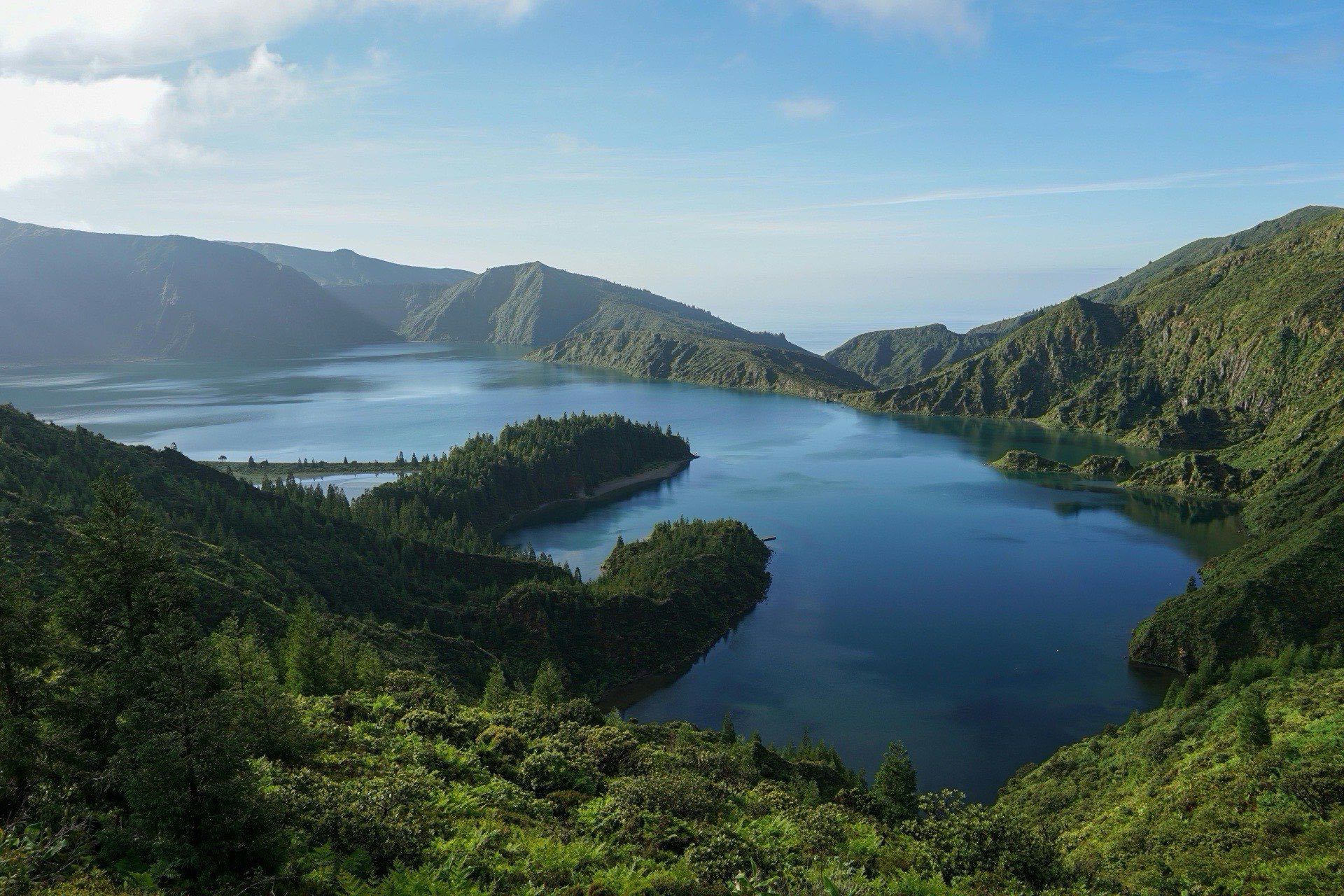
1. Azores, Portugal

The Azores are an archipelago in the Atlantic Ocean that boast volcanic landscapes, geothermal hot springs, and lush greenery. This Portuguese gem is a haven for nature lovers and those looking to disconnect from the fast pace of modern life.

What to Do: Enjoy whale watching in São Miguel, hike around the volcanic crater lakes of Sete Cidades, or relax in the natural hot springs of Furnas. The Azores offer a perfect blend of adventure and tranquility.

Sustainability Factor: The Azores have been recognized globally for their commitment to sustainable tourism. The islands focus on protecting their unique ecosystems, promoting renewable energy, and encouraging low-impact travel activities.


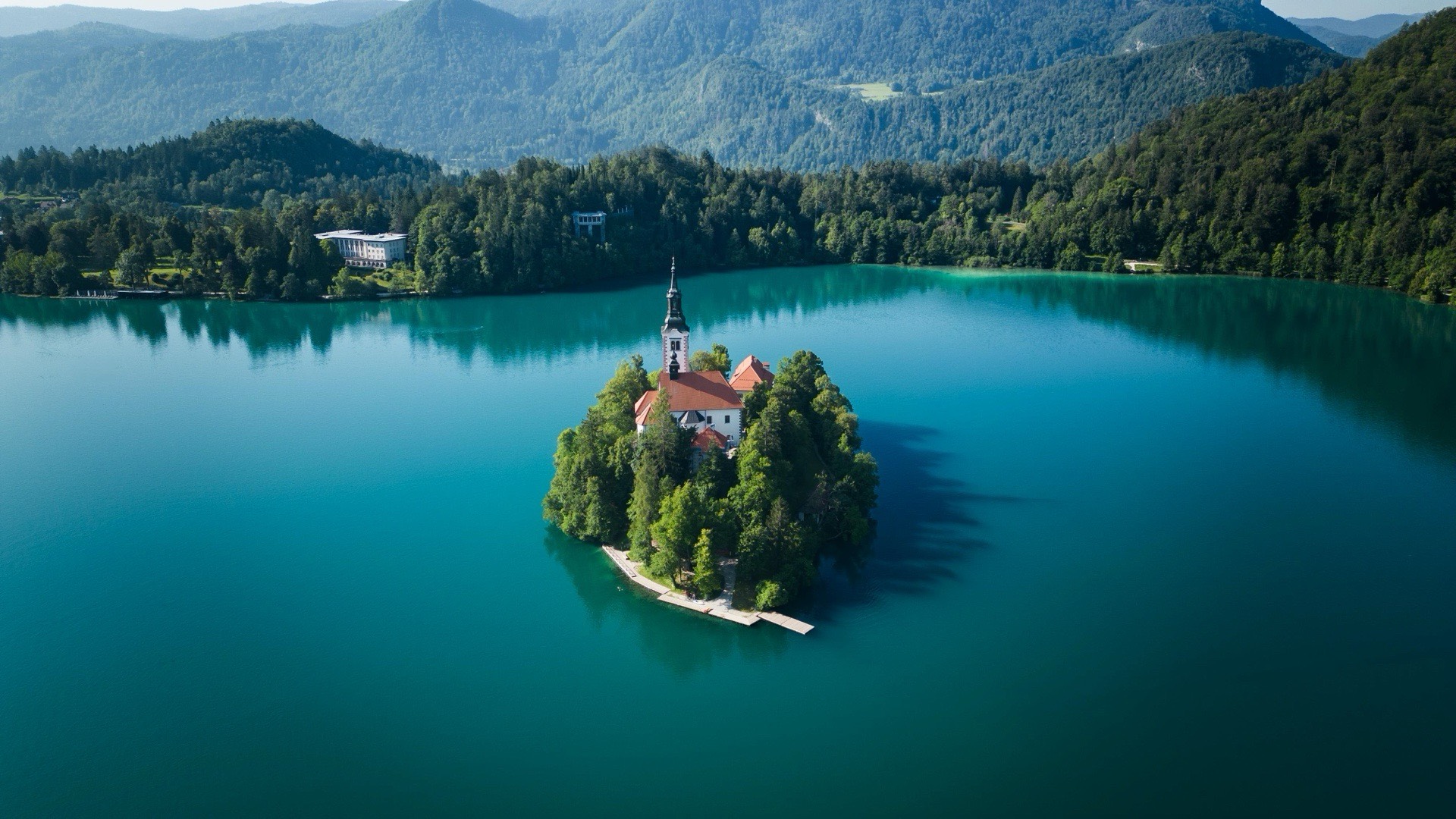
2. Slovenia

Slovenia is a destination that often surprises travelers with its diverse landscapes, from towering mountains to emerald-green lakes. It’s a country that values sustainability, with a strong emphasis on preserving its natural beauty and cultural heritage.

What to Do: Visit the enchanting Lake Bled, hike in Triglav National Park, or explore the charming capital, Ljubljana, which was awarded the European Green Capital. Don’t miss the chance to experience farm-to-table dining in the lush countryside.

Sustainability Factor: Slovenia is at the forefront of sustainable tourism in Europe, with green initiatives that protect its pristine environments and promote eco-friendly travel practices.


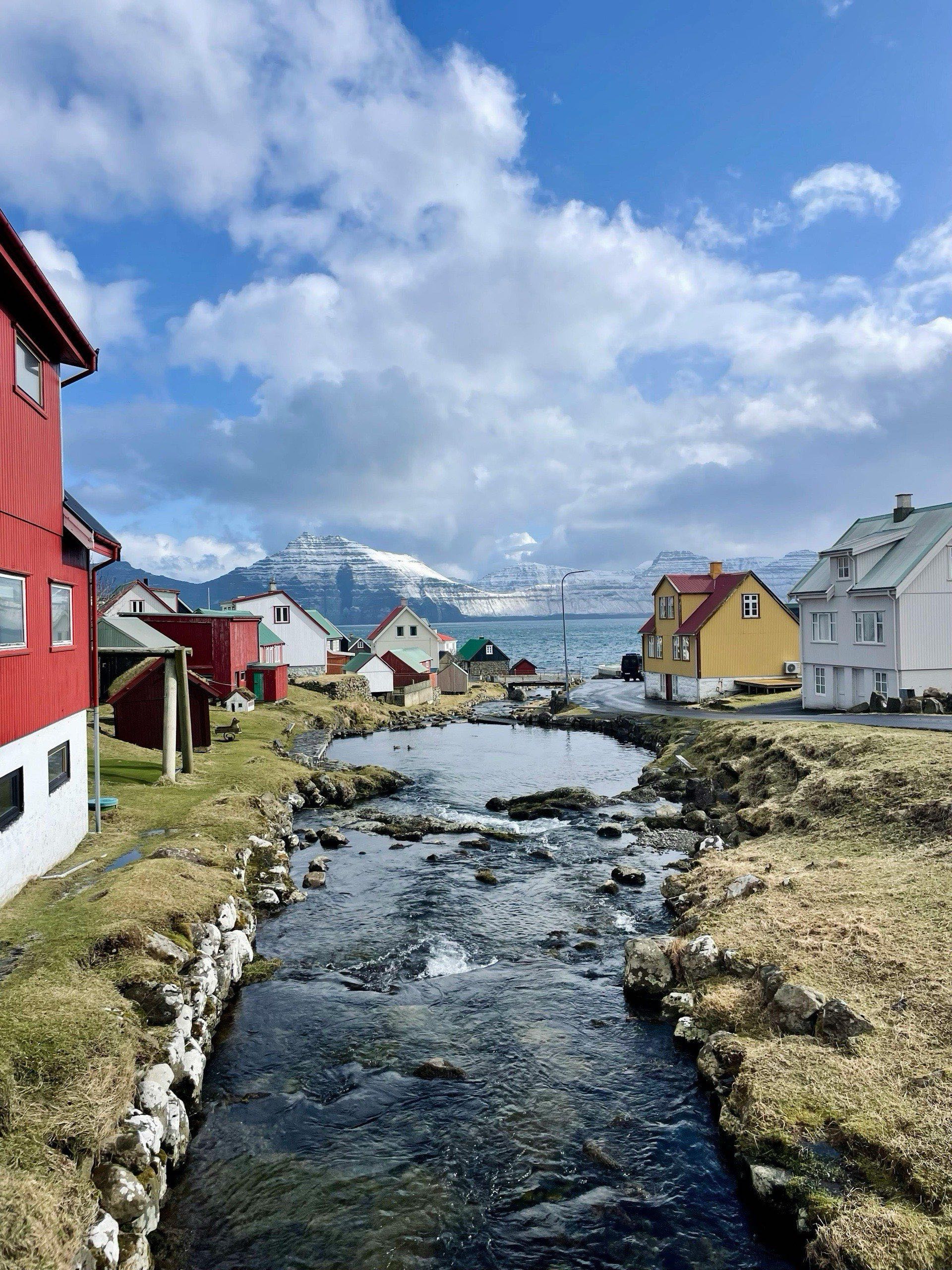
3. Faroe Islands, Denmark

Nestled in the North Atlantic Ocean, the Faroe Islands are a paradise for those seeking raw, untouched beauty. With dramatic cliffs, cascading waterfalls, and quaint villages, this remote archipelago offers a perfect escape from the crowds.

What to Do: Hike through verdant valleys, explore the charming village of Gjógv, or go birdwatching to spot puffins and other seabirds. The Faroe Islands are also perfect for a peaceful boat trip around the stunning fjords.

Sustainability Factor: The Faroe Islands are committed to preserving their natural habitats and promoting eco-tourism. The local community emphasizes sustainable fishing practices and encourages visitors to explore the islands responsibly.


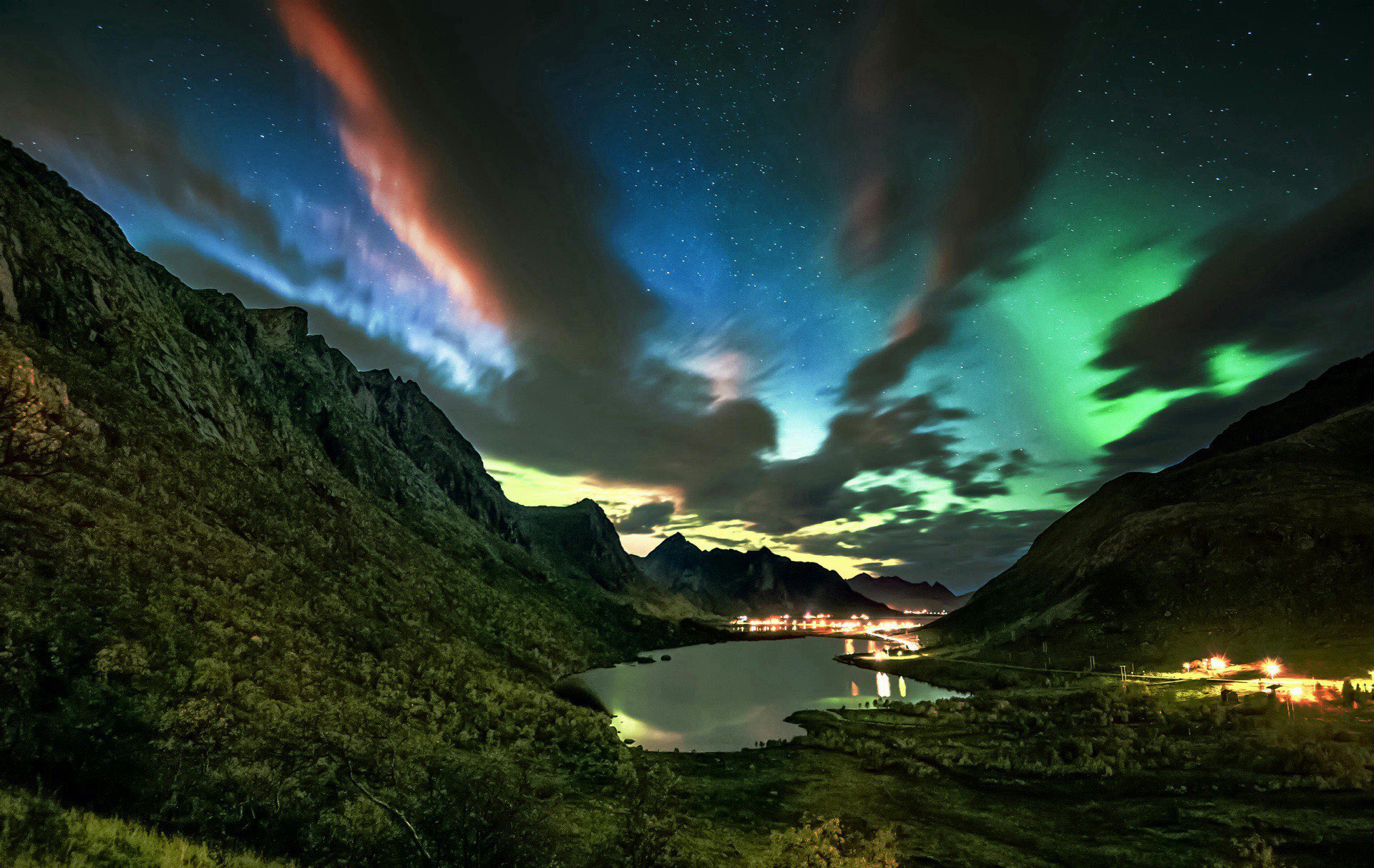
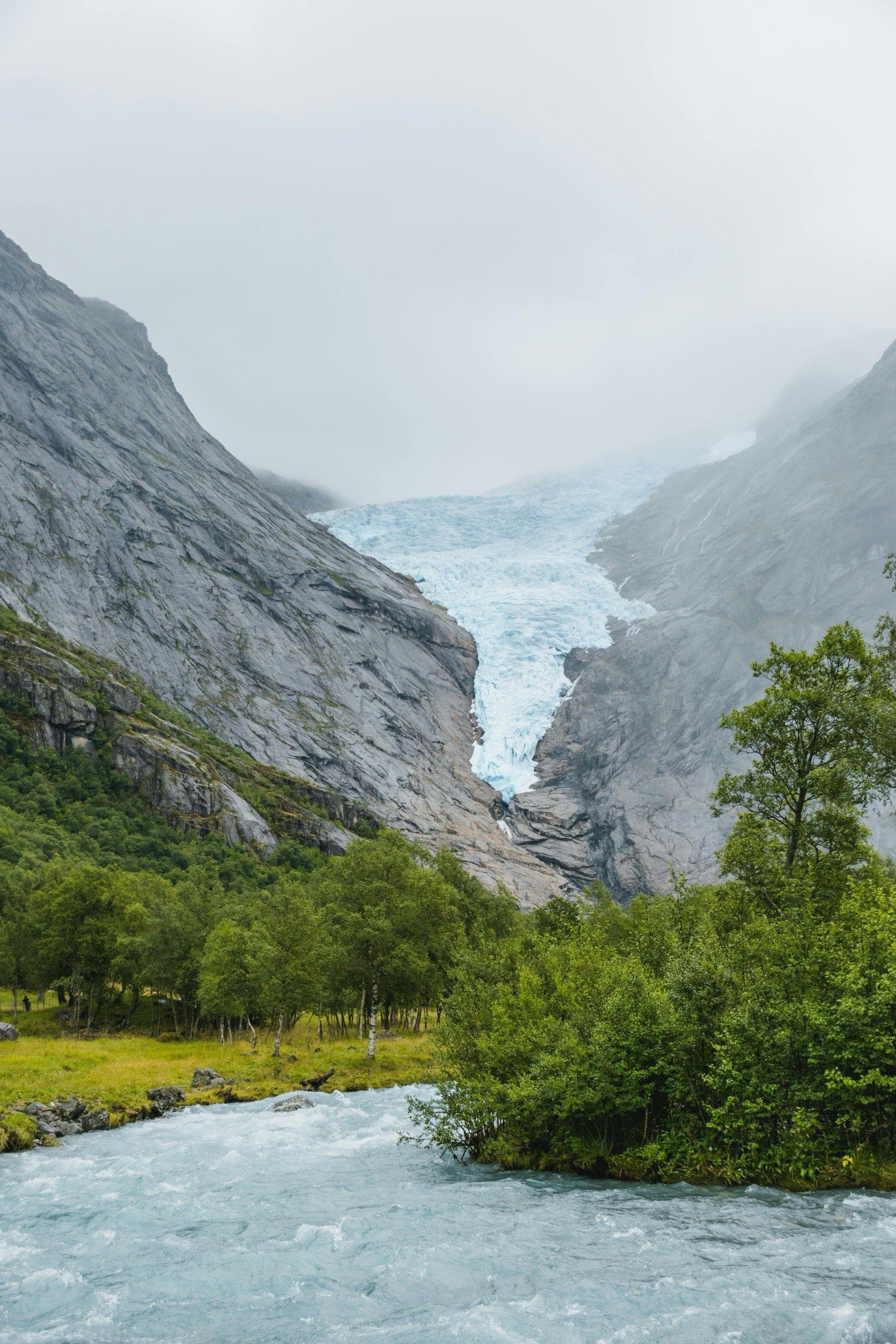
4. Lofoten Islands, Norway

The Lofoten Islands are a stunning archipelago located above the Arctic Circle, known for their dramatic landscapes, fishing villages, and opportunities to witness the Northern Lights. This remote destination is perfect for those seeking an intimate connection with nature.

What to Do: Kayak through the fjords, hike the Reinebringen for breathtaking views, or stay in a traditional rorbu (fisherman’s cabin) to experience local life. Don’t miss the chance to witness the magical Northern Lights dancing across the sky.

Sustainability Factor: The Lofoten Islands focus on preserving their unique natural environment and cultural heritage. Local communities are dedicated to reducing the carbon footprint of tourism and promoting sustainable fishing practices.


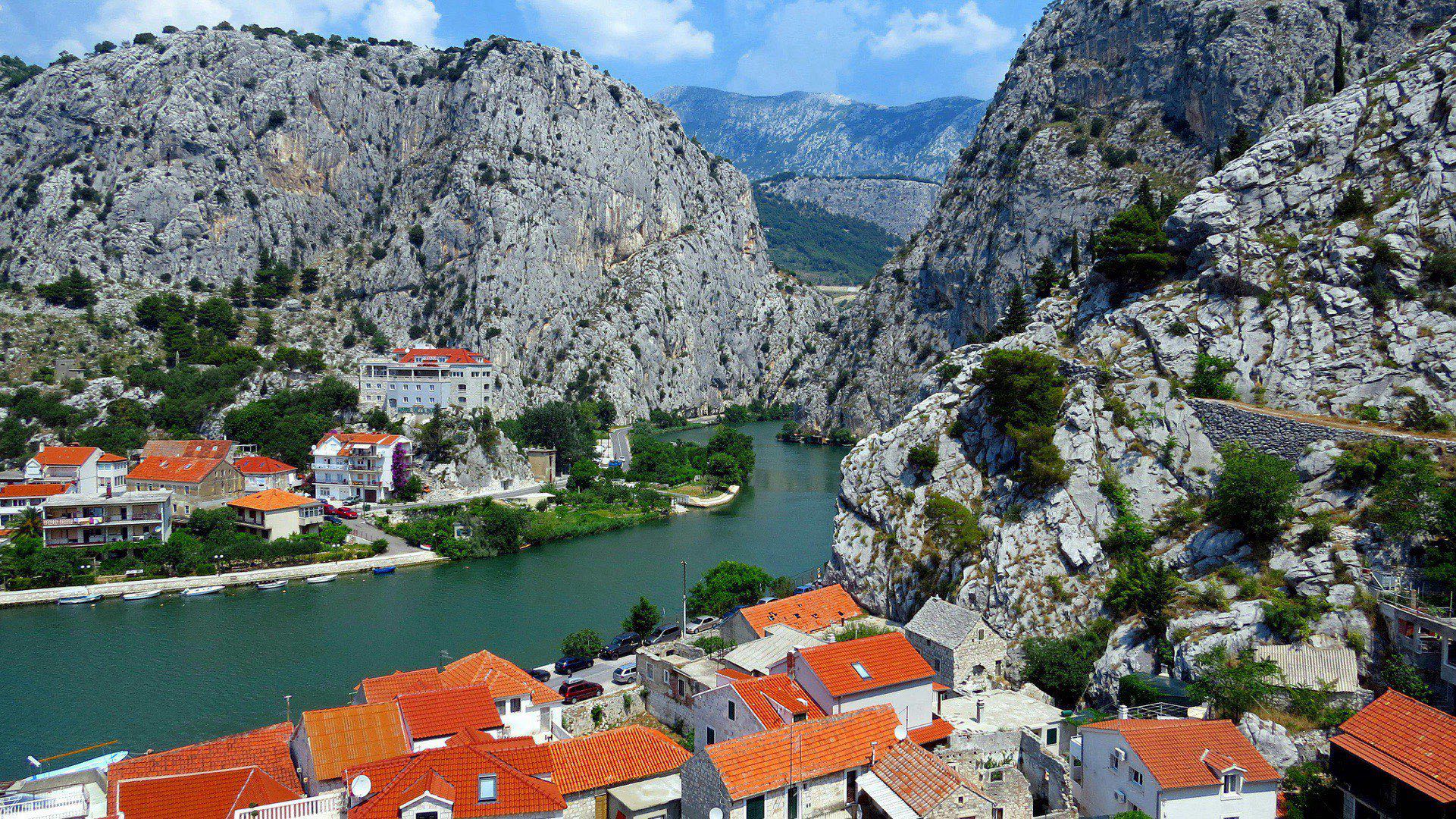
5. Istria Peninsula, Croatia

Often overshadowed by Croatia’s more famous Dalmatian coast, the Istria Peninsula is a hidden gem known for its rolling hills, medieval towns, and stunning coastline. The region offers a unique blend of Croatian, Italian, and Slovenian cultures, with a strong emphasis on local food, wine, and sustainable tourism.

What to Do: Explore the charming hilltop towns of Motovun and Grožnjan, enjoy wine tasting at local vineyards, or hike through the scenic landscapes of Učka Nature Park. The coastline offers beautiful, less crowded beaches perfect for relaxation and water activities.

Sustainability Factor: Istria is committed to sustainable tourism practices, focusing on local agriculture, eco-friendly accommodations, and preserving its cultural heritage. The region encourages visitors to engage with the local community and support small, family-owned businesses.


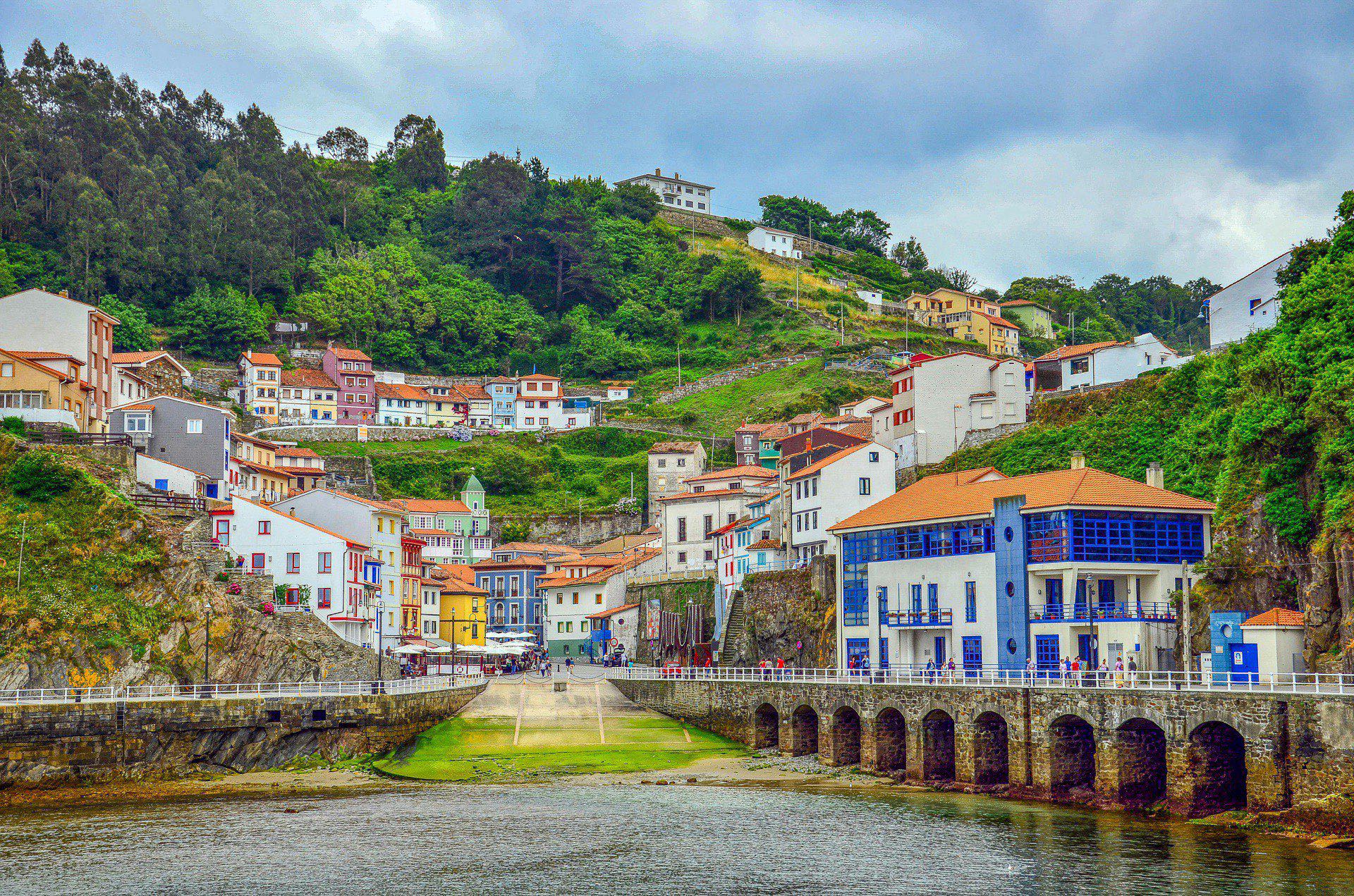
6. Asturias, Spain

Asturias, located on Spain’s northern coast, is a green paradise known for its lush landscapes, rugged coastlines, and traditional culture. This lesser-known region offers a perfect escape for those looking to explore Spain beyond the usual tourist hotspots.

What to Do: Hike in the Picos de Europa, visit traditional fishing villages, or enjoy a meal in a local cider house. Asturias is a destination where nature and culture come together beautifully.

Sustainability Factor: Asturias focuses on sustainable agriculture, eco-tourism, and preserving its natural beauty. The region’s commitment to maintaining its cultural and environmental integrity makes it a standout choice for sustainable travelers.


7. Montenegro’s Durmitor National Park

Durmitor National Park is a UNESCO World Heritage site in Montenegro, known for its rugged mountains, deep canyons, and glacial lakes. It’s a paradise for adventurers looking to explore a less-visited part of Europe.

What to Do: Go rafting on the Tara River, hike to the summit of Bobotov Kuk, or explore the breathtaking Black Lake. Durmitor offers a range of activities that cater to all levels of adventure.

Sustainability Factor: Durmitor National Park is a protected area with strict conservation efforts in place to preserve its natural beauty and promote sustainable tourism practices.


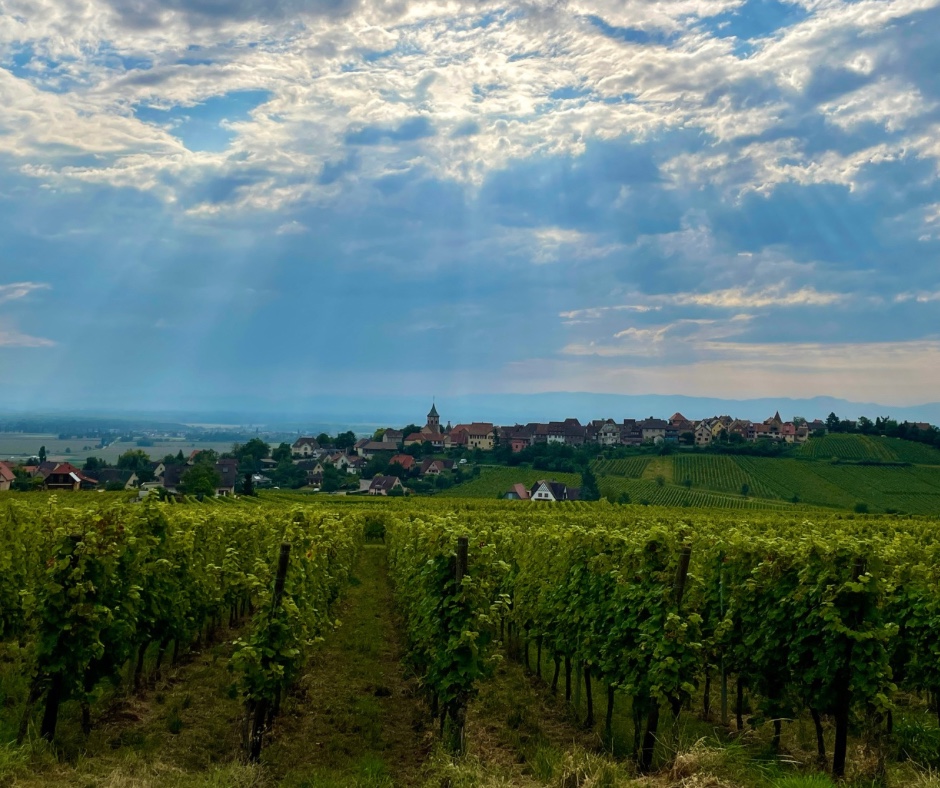
8. Alsace Region, France

Alsace, located on the border of France and Germany, is a region renowned for its picturesque villages, vineyards, and a unique blend of French and German culture. It’s an ideal destination for travelers seeking a charming, off-the-beaten-path experience.

What to Do: Explore the fairy-tale villages of Colmar and Eguisheim, cycle through the vineyards, or indulge in local wines and cuisine. The region’s focus on sustainable agriculture makes it a great spot for eco-conscious travelers.

Sustainability Factor: Alsace emphasizes local products, sustainable agricultural practices, and preserving its unique cultural heritage. It’s a region where you can travel sustainably and experience the best of both French and German traditions.


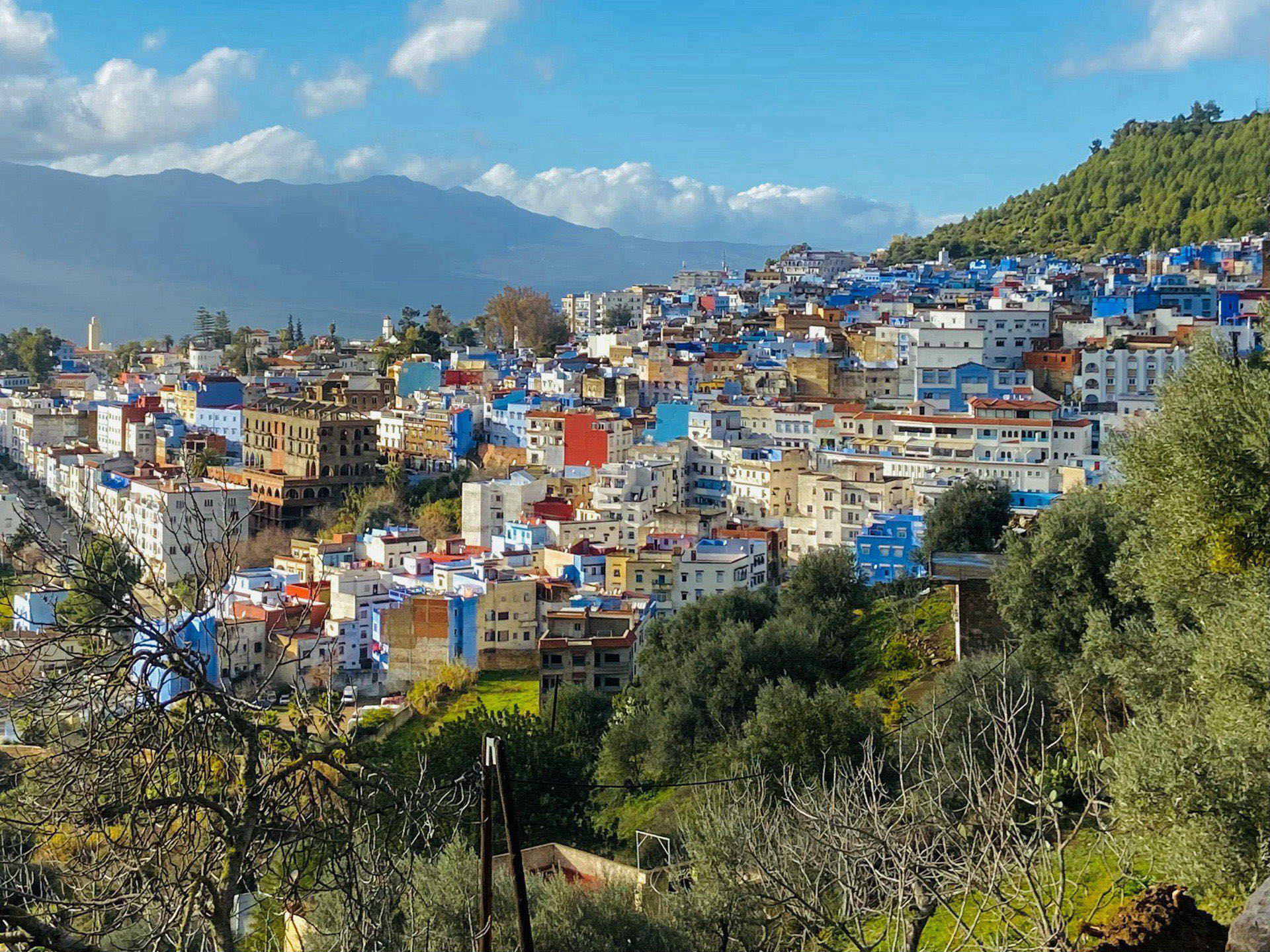
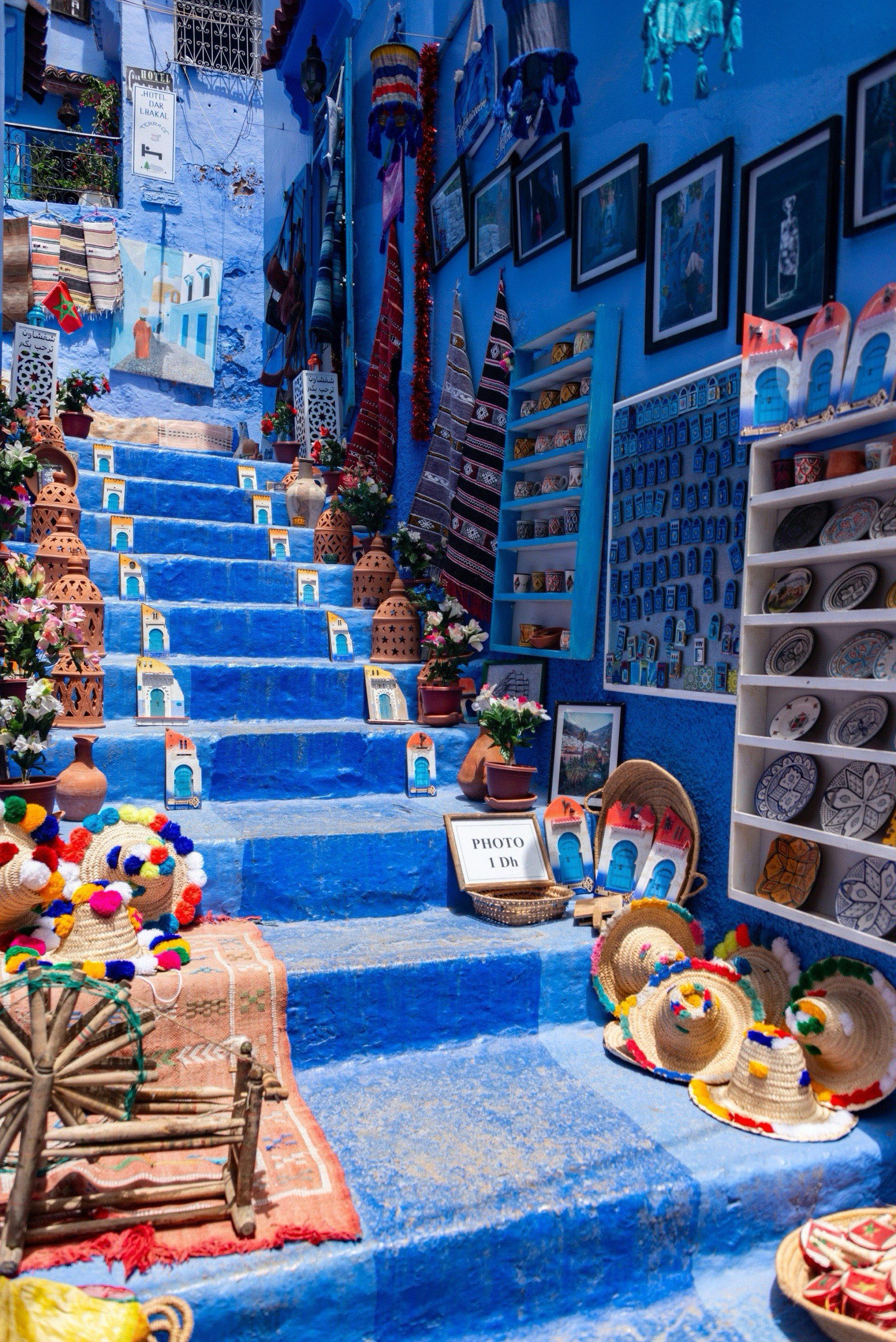
9. Chefchaouen and the Rif Mountains, Morocco

Chefchaouen, also known as the “Blue Pearl” of Morocco, is a charming town nestled in the Rif Mountains. With its blue-washed streets, stunning mountain views, and laid-back vibe, Chefchaouen offers a unique escape from Morocco’s busier cities.

What to Do: Wander through the medina’s blue alleyways, hike in the surrounding Rif Mountains, or interact with local artisans who craft beautiful handmade goods. Chefchaouen is a place to slow down and immerse yourself in local culture.

Sustainability Factor: Chefchaouen promotes eco-friendly tourism by preserving its traditional crafts, supporting local artisans, and encouraging visitors to respect the natural environment and local way of life.


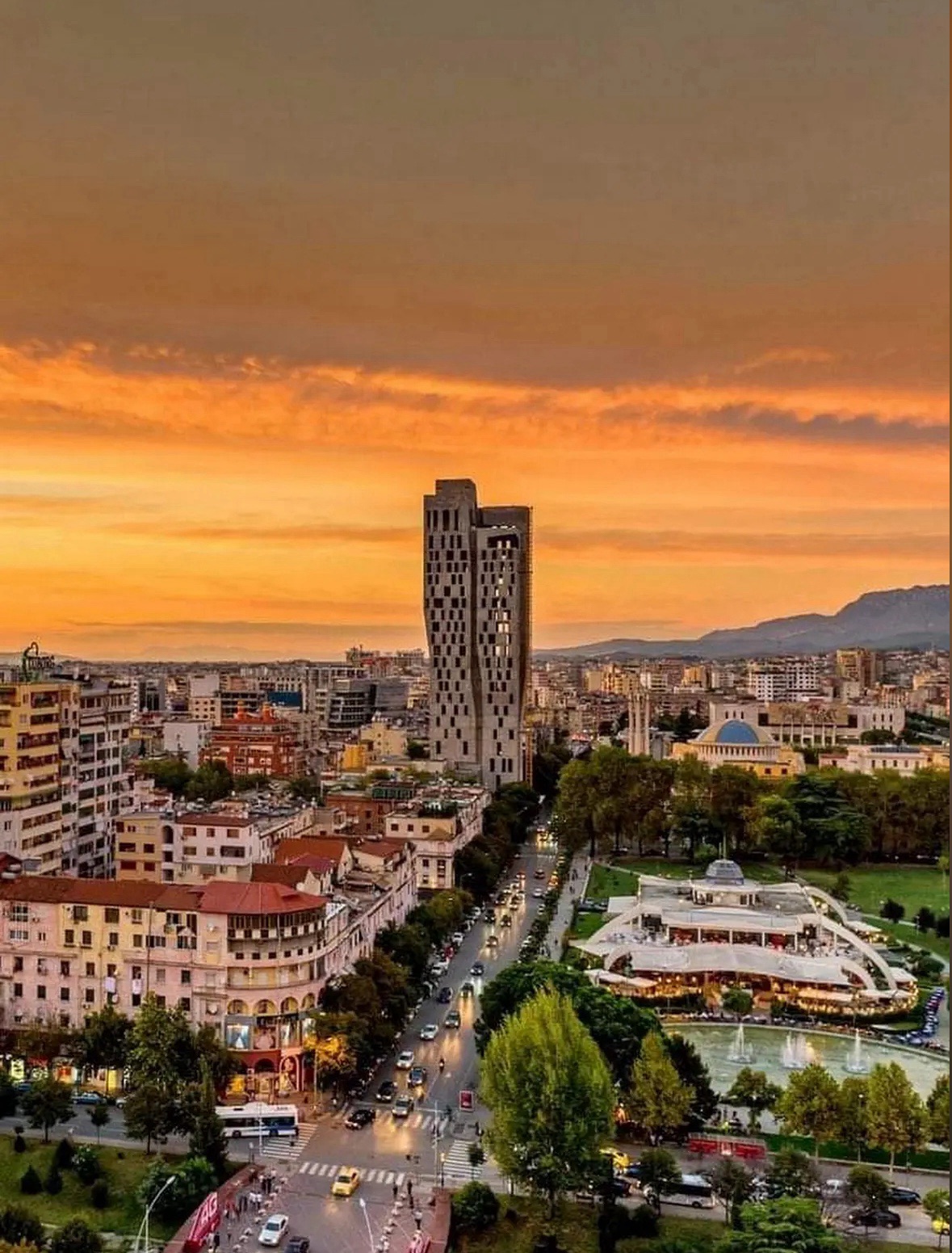
10. Tirana and the Albanian Alps, Albania

Albania is an emerging travel destination that remains largely untouched by mass tourism. From the vibrant capital of Tirana to the rugged beauty of the Albanian Alps, this country offers a unique blend of urban culture and natural splendor.

What to Do: Explore Tirana’s colorful streets, hike in the Albanian Alps, or visit traditional villages like Theth and Valbona. The region is perfect for outdoor enthusiasts and those looking to experience authentic Albanian hospitality.

Sustainability Factor: Albania is developing its tourism industry with a focus on sustainability, respecting local communities, and preserving its natural landscapes. The Albanian Alps are a prime example of eco-friendly tourism initiatives in action.


These off-the-beaten-path destinations offer more than just stunning landscapes and unique experiences—they provide an opportunity to travel sustainably, connect deeply with local cultures, and explore the world in a way that preserves its beauty for future generations. As we look ahead to 2025, let’s choose to explore responsibly, support local communities, and make travel a force for good.

Are you ready to embark on a journey that goes beyond the ordinary? Together we can discover these hidden gems and make a positive impact through sustainable travel.

Eating the Season: Spring Arrives in Alsace

You notice it first at the market. Not in a dramatic way. Nothing announces itself. It almost feels like you've imagined it. But somethi...